Predicting what’s ahead for New Zealand’s commercial property market involves looking at how the last couple of years have shaped sentiment, sales activity and investor behaviour.
A steady recovery in sales and leasing has continued, with year-on-year growth across the commercial and industrial sectors. According to a recent Colliers report, the total value of commercial and industrial sales in 2024 increased by around $131 million compared to 2023. While this is still below the 10-year average, it was a welcome sign that confidence was slowly returning (even if many investors are still cautious).
A major shift came when the Reserve Bank cut the Official Cash Rate to 2.25% in November, helping to set the scene for better borrowing conditions throughout 2026. Cheaper debt typically translates to improved liquidity, stronger buyer and investor confidence, and a lift in activity as capital becomes more affordable.
With these trends in play, expectations for 2026 are leaning towards modest economic growth and continued gradual recovery. We’re not calling it a boom, but the market is moving in the right direction.
In this guide, we break down our predictions for New Zealand’s commercial property market in 2026, which sectors look strongest, and what investors and occupiers should pay attention to.
Which sectors look most promising in NZ in 2026?
Three sectors stand out in conversation, both here in the James Group office and in the wider commercial property market.
The industrial sector: Still the country’s anchor
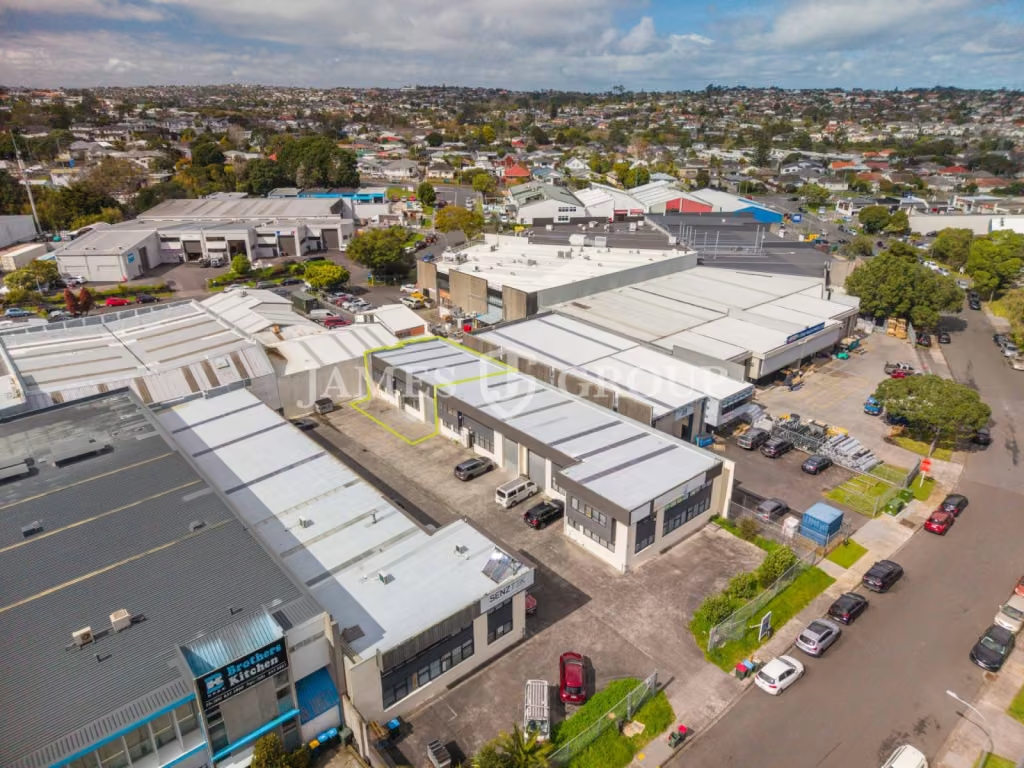
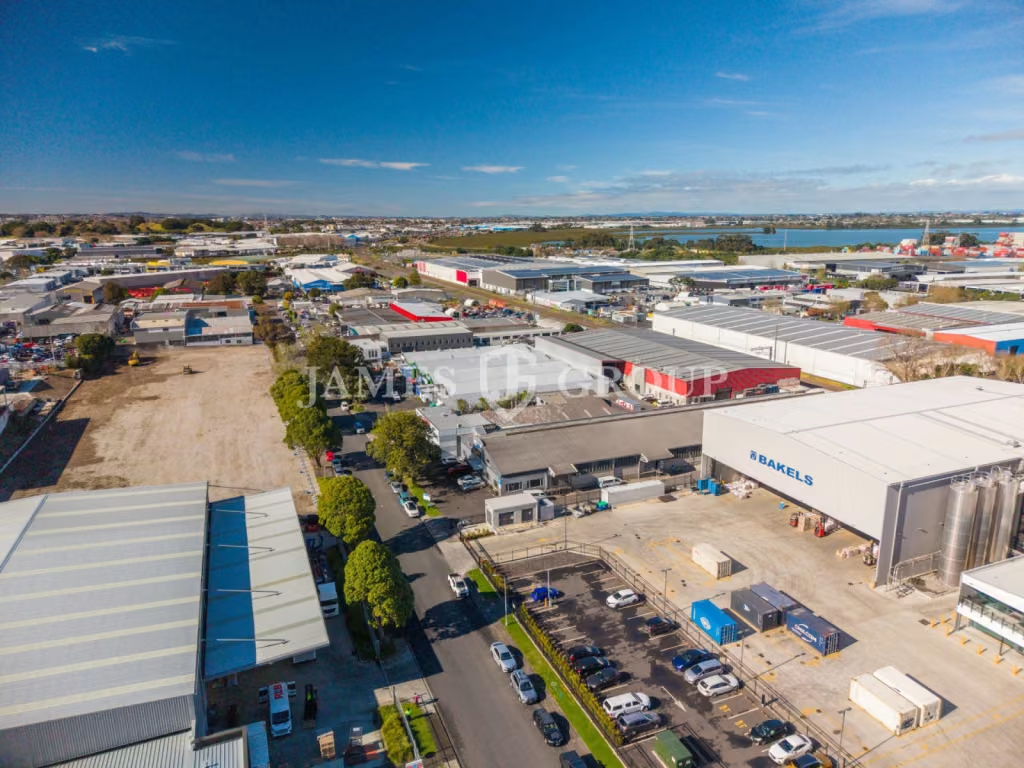
Industrial continues to be the backbone of New Zealand’s property market. Demand remains strong – especially for small-to-mid warehouses and logistics units. Regional Auckland and the country’s growth corridors are seeing some of the most momentum in terms of enquiries, leasing and sales.
It’s worth noting that the market is likely performing better than it looks on paper, too. Many leases are happening off-market. Having an experienced commercial property representative can make a huge difference in uncovering the right opportunities.
After years of near-zero vacancy, more choice has now opened up for occupiers. By the end of 2025, Auckland industrial vacancies crept up to around 2-3%, creating a healthier (although not overwhelming) level of availability.
To fill gaps, landlords need to focus on sustainability and functionality. Occupiers are prioritising better yard ratios, energy performance and smart loading design. Right now, small capital upgrades make all the difference.
For occupiers, our advice is simple: Act quickly on the right property. With borrowing costs trending down, well-located industrial space could become more competitive in the near future.
Office space: Quality matters
In the office market, the divide between high-quality and secondary stock remains wide.
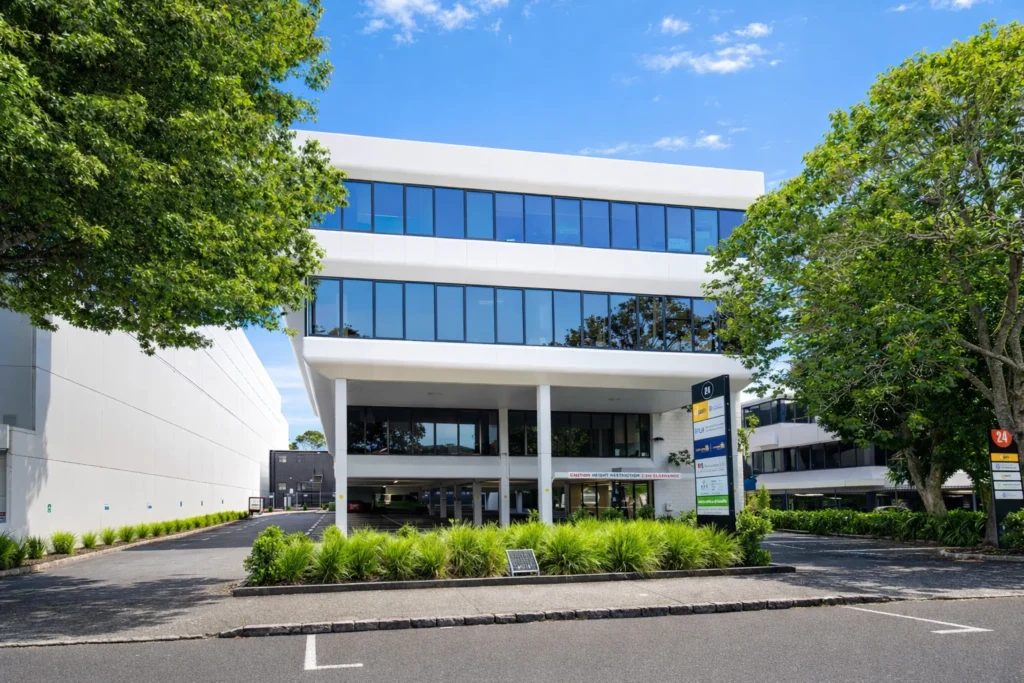
Well-located, modern and energy-efficient offices are seeing a modest growth in leasing demand. Meanwhile, ageing or poorer-quality buildings still face elevated vacancy – the Auckland CBD vacancy sat at around 18.8% in June this year (via CBRE).
Businesses want spaces that prioritise workplace quality, accessibility, parking and flexible workspaces. With hybrid work now firmly baked in, secondary-grade or rigid terms won’t do.
Retail: Modest growth
Retail continues its conservative stabilisation, particularly in regional and suburban retail centres, which are outperforming major CBDs. Auckland CBD retail vacancy, for example, was sitting at around 11-13% in October 2025 (according to Property Brokers).
That said, 2026 is shaping up to be a better year for neighbourhood retail. Easing interest rates, ongoing tourism recovery, and a trending preference for working closer to home (which emerged post-COVID) are working in its favour.
JLLs’ head of research, Chris Dibble, recently named retail as one of the strongest investment sectors in the near term – including large-format retail such as supermarkets.
We’ll be watching how local footfall recovery influences high-street retail performance over the next 12 months.
Investment & transaction activity: What to expect in 2026
A range of economic drivers are adding momentum to the year ahead:
- Positive net migration, supporting long-term demand
- Renewed demand in services and construction is leaving a positive mark on regional businesses
- Rising business confidence – optimism usually leads to activity
- Tourism and spending continue to climb, benefitting retail and hospitality businesses across New Zealand
- Te Waihanga has a steady flow of potential projects in the pipeline, pointing to solid investments in infrastructure
Sales volumes and investor enquiries picked up in late 2025. Although we didn’t see many headline-grabbing transactions, that doesn’t mean they weren’t happening. Many of these deals happen off-market, so we might see them surface publicly in 2026.
At James Group, we’re looking forward to the knock-on effects of increased business confidence, which hit its highest in 11 years. According to Reuters, a net 67.1% of people interviewed expected the economy to improve in 2026, and 53.1% expected growth in their own business – a big jump from the previous month’s 44.6%. This could signal more businesses expanding, relocating, and investing in themselves.
As capital becomes more affordable, we should see transaction volumes increase through 2026. Regional markets are expected to lead the recovery, largely thanks to transparent rental income and strong long-term tenant relationships.
A report by JLL said population growth is still a key driver for long-term property demand, with New Zealand’s working-age population among the fastest-growing globally. Despite economic pressures, investor confidence is on the up, and NZ continues to rank highly as a commercial property investment destination.
Key risks for 2026
While the outlook is positive, it’s important to be aware of the risks that could impact the commercial property industry in 2026.
If rate cuts pause or banks show cautiousness about commercial lending next year, we could see a slowdown in transactions as businesses face financing hurdles. At the end of last year, the Reserve Bank signalled it had debated between holding rates and further cuts. Nick Tuffley, chief economist at ABS Bank, said “the RBNZ was a bit more cautious than generally expected” and that further cuts can only be expected if the economy underperforms.
Another factor is regional variability. Some areas will outperform others. Businesses and investors should closely monitor footfall and local consumer spending before making decisions. Local data is more important than ever.